Desiccant for Construction
Buy Construction Industry Desiccant
Industry Challenges
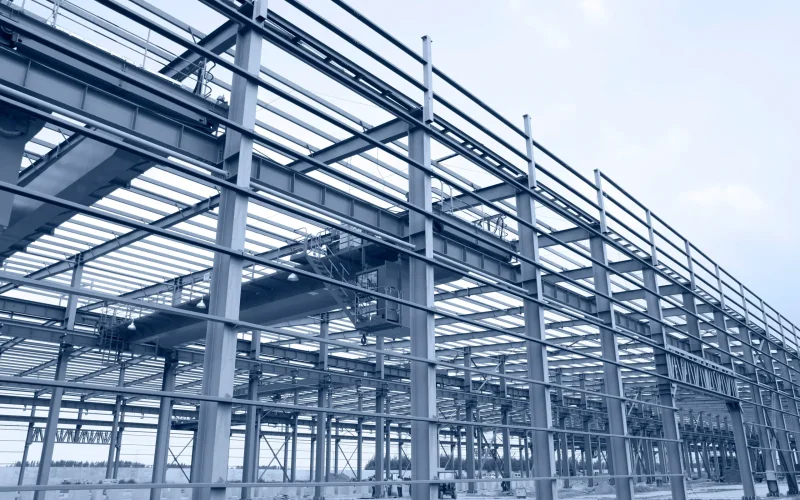
Corrosion of Structural Steel
- During storage or transit, steel beams and rebar are highly susceptible to "flash rust." High humidity accelerates oxidation before the steel is even installed, compromising aesthetics and requiring costly surface preparation or rework.
Concrete Curing Defects
- Excess moisture in concrete slabs can lead to slab-on-grade failures, adhesive breakdown for flooring, and microbial growth. Controlling humidity during the curing process is essential to prevent costly flooring failures and warranty claims.
Logistics & Container Rain
- When prefabricated units or materials are shipped in containers, drastic temperature changes create "container rain." This condensation drips onto sensitive components, causing water stains, mold, and corrosion during long-haul transit.
Electrostatic & Electrical Damage
- Dust from traditional desiccants or residual moisture can cause short circuits in installed electrical panels, fire alarms, and control systems. Standard drying methods often fail to address the specific dew point requirements of sensitive electronics.
Bulk Material Clumping
- Cement, gypsum, and aggregates absorb ambient moisture, leading to hardening, clumping, and waste. Maintaining low relative humidity (RH) in silos and storage bags is critical for material flow and usability.
Why Choose Our Desiccants
Industrial Strength
Engineered for high-absorption capacity to withstand long-term transit and long-term storage cycles.

Leak-Proof Design
Heavy-duty packaging prevents ruptures and dust contamination on sensitive surfaces and machinery.
Non-Toxic & Safe
Safe to use around workers and in enclosed spaces; complies with international shipping and construction safety regulations.

Customizable Sizing
Available in a range of sizes, from small packets for electrical boxes to large hanging bags for shipping containers.
Usage
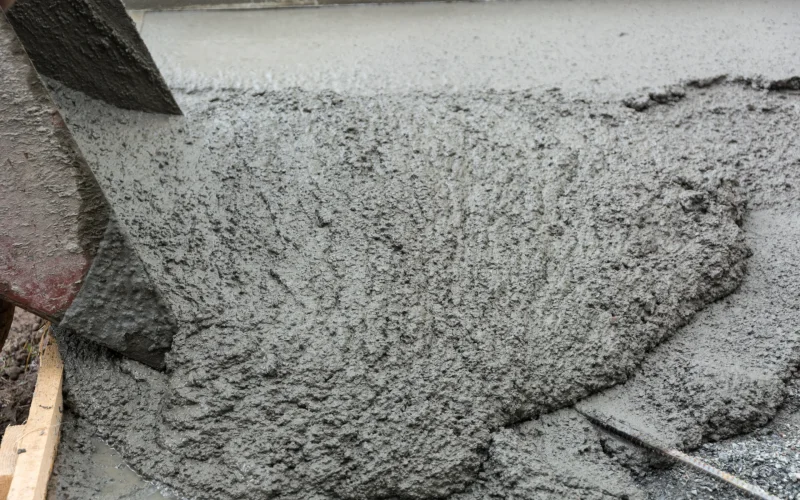
Concrete Curing & Flooring Systems
Overview
Ensure the longevity of industrial flooring and slab installations by managing ambient humidity during the curing phase.
Key Advantages
- Prevents Flooring Adhesive Failure: Maintains low RH levels required for epoxy, tile, and hardwood adhesive bonding.
- Eliminates Efflorescence: Stops salt deposits from forming on the concrete surface.
- Accelerates Drying Time: Reduces the timeline for moisture vapor emission rates to reach acceptable levels.
- Protects Polished Concrete: Prevents moisture staining and micro-cracking during the finishing process.
Structural Steel & Metal Component Protection (Storage/Transit)
Overview
Protect I-beams, fasteners, and metal roofing materials from oxidation before installation.
Key Advantages
- Eliminates Flash Rust: Keeps steel surfaces mill-clean and weld-ready without the need for re-blasting.
- Corrosion Interruption: Creates a localized dry microclimate inside wrapped bundles or containers.
- Cost Savings: Reduces labor costs associated with rust removal and repainting.
- VCI Compatible: Works seamlessly with VCI (Vapor Corrosion Inhibitor) films for enhanced metal protection.
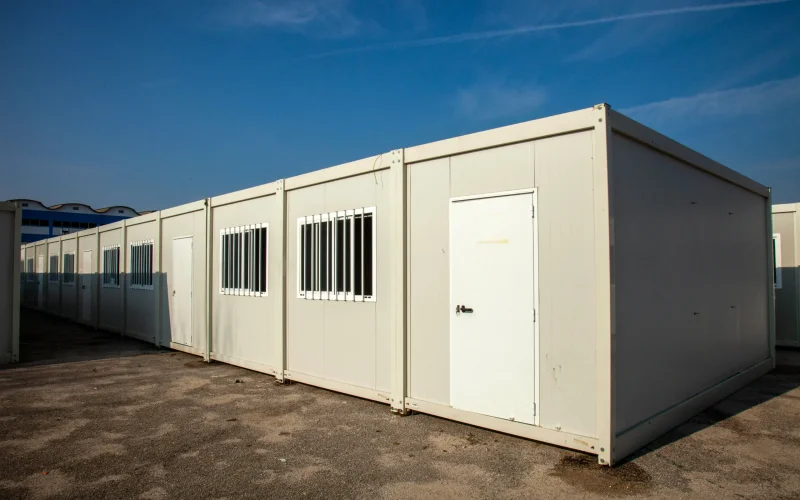
Pre-fabricated Building Unit & Containerized Shipping
Overview
Prevent "container rain" damage for modular homes, prefab walls, and high-end fixtures during international shipping.
Key Advantages
- Condensation Control: Absorbs moisture trapped in containers during temperature swings (diurnal cycle).
- Mold Prevention: Stops mold growth on wood framing, drywall, and insulation during transit.
- Interior Finishing Protection: Protects installed cabinets, countertops, and plumbing fixtures from water spotting.
- Easy Deployment: Hanging desiccant bags allow for non-intrusive placement without damaging finished surfaces.
Electrical Equipment & Control Panels (On-site Installation)
Overview
Safeguard sensitive electrical infrastructure from humidity and condensation during site storage and installation.
Key Advantages
- Prevents Short Circuits: Removes moisture that causes arcing or corrosion in junction boxes and switchgear.
- Dust-Free: Our packaging ensures no silica dust migrates into sensitive relays or sensors.
- Maintains Warranty: Meets manufacturer storage requirements for humidity-sensitive electronic components.
- Long-Lasting Protection: Provides continuous protection during delays in construction schedules.
Bulk Material Storage (Cements, Aggregates)
Usage Overview
Attapulgite clay or montmorillonite is used in large bulk bags or liners within storage silos or hoppers to protect hygroscopic powders.
Key Advantages
- Attapulgite: Maintains performance stability even at elevated temperatures near equipment.
- Natural clay (Attapulgite/Montmorillonite): Low cost for large-scale application
- Minimal dust release compared to some alternatives
- Prevents caking and hardening of powders during storage