Automotive Desiccant
Buy Automotive Desiccant
Industry Challenges
Condensation in Electronics
- Modern vehicles contain over 100 electronic control units (ECUs). Temperature fluctuations during shipping or operation cause condensation, leading to short circuits, sensor malfunctions, and costly electronic failures.
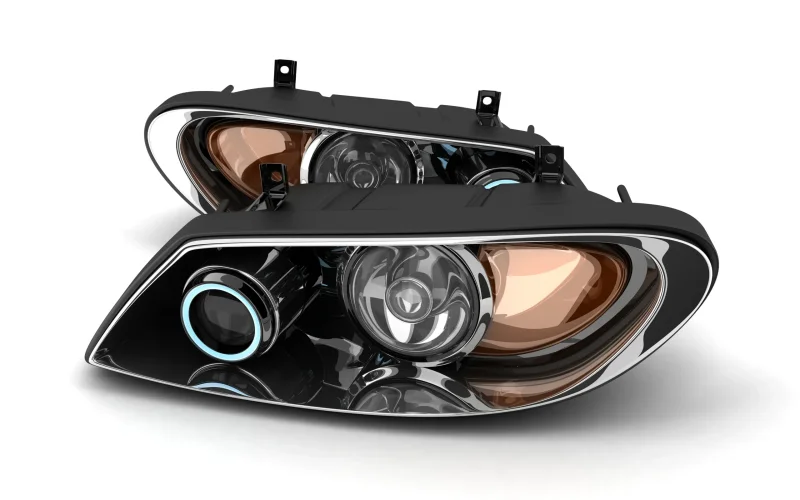
Headlight Fogging & Degradation
- Moisture ingress in headlight assemblies causes unsightly fogging, reduced light output, and accelerated degradation of LED modules and reflective coatings, impacting safety and aesthetics.
Corrosion in Fuel Systems
- Humidity within fuel tanks and components leads to rust and microbial growth. This contamination can clog injectors and damage sensitive fuel delivery systems, compromising engine performance.
Long-Term Storage & Logistics
- Vehicles and spare parts often face long-term storage in high-humidity environments (coastal shipping or outdoor lots), which promotes mold growth in interiors and oxidation on exposed metal connectors.
Airbag System Reliability
- Pyrotechnic inflators used in airbag systems are extremely sensitive to moisture. Exposure to humidity can degrade the chemical propellants, risking delayed deployment or system failure during emergencies.
Why Choose Our Desiccants
OEM-Grade Quality
Formulated to meet the strict quality standards of automotive OEMs and Tier 1 suppliers.
High-Temperature Stability
Maintains adsorption capacity even in high-heat environments like engine compartments or headlight housings.
Non-Dusting & Clean
Engineered to be dust-free, preventing contamination of sensitive circuit boards and optical lenses.
Custom Configurations
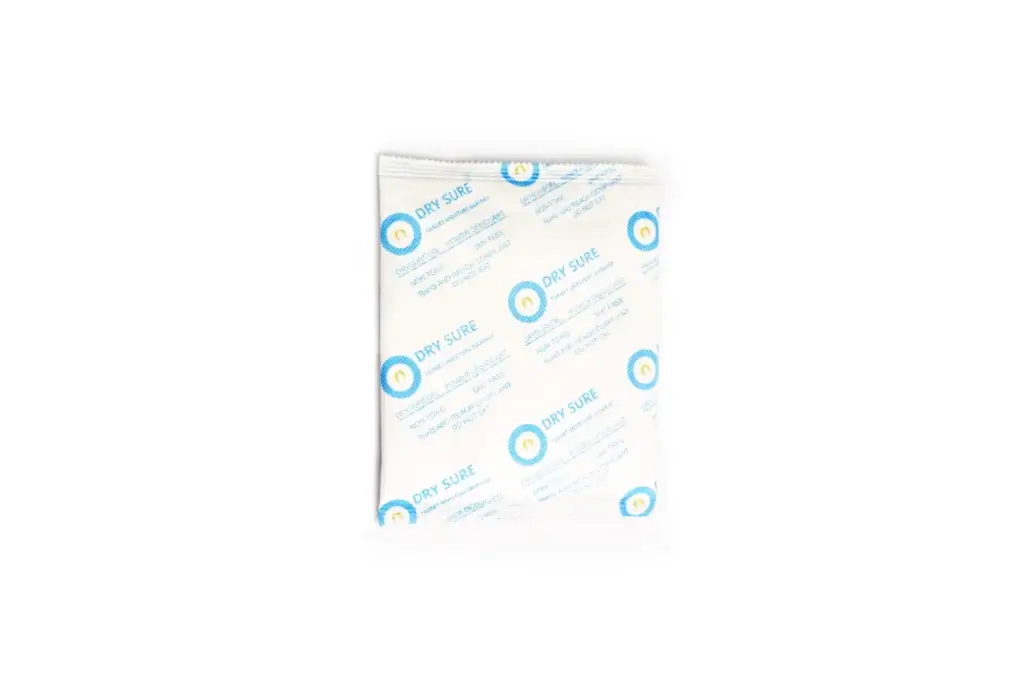
Available in bags, canisters, and custom-molded shapes to fit tight automotive assembly spaces.

Usage
Electronic Control Units (ECUs) and Sensors
Overview
Modern vehicles incorporate dozens of sensitive electronic control units and sensors, all highly susceptible to intermittent failures caused by moisture-induced condensation. Using a specialized desiccant for automotive electronics is essential for maintaining system integrity..
Key Advantages
- Prevents intermittent short circuits resulting from condensation during thermal cycling, ensuring consistent electronic performance.
- Maintains signal integrity for ADAS and radar sensors, preserving critical safety and driver-assist functionalities.
- Extends the operational lifespan of circuit boards installed in harsh engine bay environments.
- Significantly reduces field failure rates and associated warranty return costs for manufacturers.
Headlight Assemblies
Overview
Modern headlight assemblies house sensitive LED modules and reflective surfaces that require reliable protection against persistent moisture and fogging issues. An automotive headlight desiccant effectively eliminates condensation that compromises optical performance.
Key Advantages
- Eliminates cosmetic fogging, ensuring showroom-perfect aesthetics and maintaining brand perception.
- Protects delicate reflective coatings from premature oxidation and UV-induced degradation.
- Prevents corrosion of LED drivers and internal electrical connectors, enhancing long-term reliability.
- Ensures consistent light output, directly contributing to driver safety and compliance with lighting standards.
Vehicle Shipping and Storage
Overview
Vehicles and their components often face extended periods of storage or transit across diverse climates, where uncontrolled humidity can cause significant damage. Automotive desiccant packs placed strategically during logistics protect vehicles from moisture-related deterioration.
Key Advantages
- Prevents mold and mildew growth on fabric, carpet, and leather interiors, preserving vehicle value.
- Inhibits rust formation on unpainted metal components and brake rotors during long-term storage.
- Protects sensitive multimedia screens and infotainment systems from moisture-related failures.
- Ensures vehicles arrive at dealerships in pristine, ready-to-sell condition, reducing preparation costs.
Airbag Systems
Overview
Airbag inflators contain pyrotechnic materials that are highly sensitive to moisture, making reliable humidity control essential for occupant safety. A high-performance desiccant for automotive safety systems ensures the integrity of these critical components.
Key Advantages
- Protects the chemical stability of inflator propellants, ensuring reliable activation when needed most.
- Ensures consistent deployment timing and force during critical accident scenarios, maximizing occupant protection.
- Prevents corrosion of metal inflator housings, maintaining structural integrity over the vehicle’s lifespan.
- Maintains compliance with stringent automotive safety regulations, including FMVSS standards.
Fuel System Components
Overview
Modern fuel systems rely on precision components that must remain clean and corrosion-free to deliver optimal engine performance and emissions control. Using a dedicated desiccant for automotive fuel systems helps maintain fuel quality and component reliability.
Key Advantages
- Prevents rust formation inside fuel tanks and fuel rails, reducing the risk of fuel contamination.
- Inhibits microbial growth, commonly known as diesel bug, which can clog filters and damage injectors.
- Protects sensitive high-pressure fuel injectors from particulate contamination, ensuring consistent fuel delivery.
- Ensures compliance with emissions system integrity requirements, supporting regulatory adherence.